
About Letters of Junius
The Record & The Name
In 1770, the British Crown prosecuted Henry Sampson Woodfall for publishing an anonymous letter attacking King George III. Woodfall was the printer and publisher of London’s Public Advertiser, which carried the original Letters of Junius between 1769 and 1772. The letters were savage attacks on the king’s ministers, political patronage, corruption, and abuses of government authority, and, in the letter that brought the prosecution, on the king himself.
The author, writing under the name Junius, remained anonymous. Woodfall faced the prosecution. At trial, the jury returned the extraordinary verdict of “guilty of printing and publishing only,” stopping short of an unqualified conviction for libel. The court set aside the verdict, and the prosecution ultimately ended without a conviction.
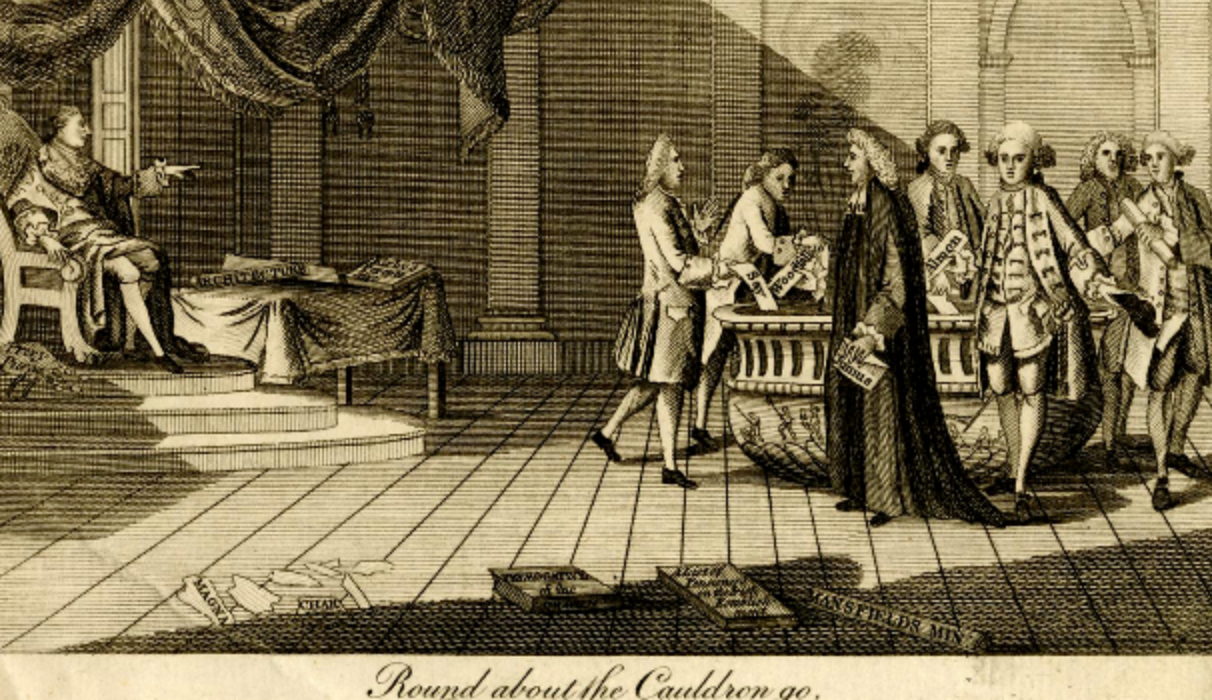
In 1772, Woodfall published the collected letters in two volumes. The anonymous author devoted much of the preface to defending freedom of the press and the right to criticize public officials. He also defended Woodfall, who had borne the legal consequences of publishing his work.
Junius believed that political authority belonged to the public, not to the people temporarily exercising it. In the dedication to the English nation, he wrote of the Crown and Parliament:
“They are the trustees, not the owners of the estate.”
It was a direct rejection of the idea that holding office entitled anyone to treat the powers and resources of government as personal property.
The Junius prosecution was not Woodfall’s last encounter with the authorities. He used to boast that he had been “fined by the House of Lords; confined by the House of Commons; fined and confined by the Court of King’s Bench, and indicted at the Old Bailey.” In 1779, publishing a handbill celebrating Admiral Keppel’s acquittal brought him a twelve-month sentence in Newgate Prison.
Offered the opportunity to succeed his father on London’s Common Council, Woodfall declined, saying that his duty was “to record great actions, not to perform them.”
The Woodfalls’ connections to America’s Founders were direct. In 1773, Benjamin Franklin sent Henry a political satire for publication in the Public Advertiser. In 1774, John Adams corresponded with his brother William. Their newspapers were part of the exchange of political arguments between Britain and the colonies as the confrontation with the Crown deepened.
The struggle in which Woodfall risked his freedom helped shape the tradition of press liberty that America would enshrine in the First Amendment. The Junius letters challenged the monarchy and its ministers over abuses of power, including their treatment of the American colonies. His prosecution brought the central question into a courtroom: could a government punish a publisher for placing its conduct before the public?
Woodfall’s defense asserted that government actions must be open to public scrutiny and evaluation. That principle stands at the heart of a free press: the people must be able to examine, criticize, and judge those who govern them. Publishing the letters meant accepting the risk of prosecution for exercising that right.
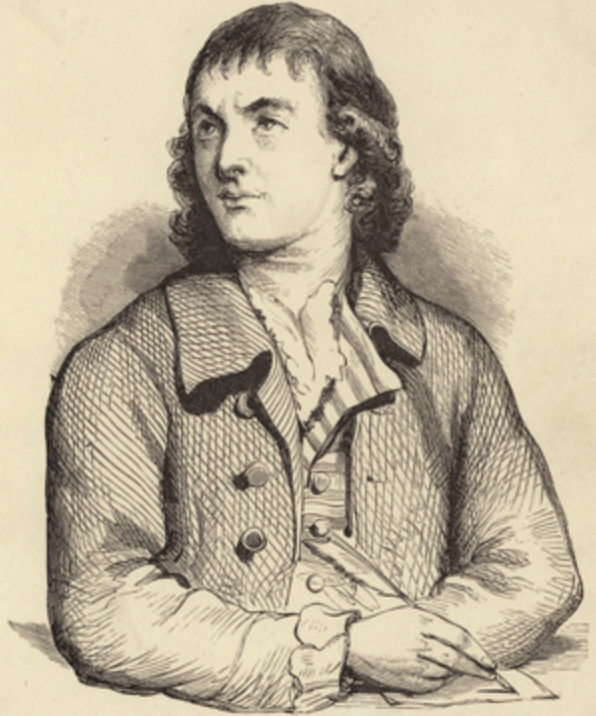

Two and a half centuries later, Letters of Junius is written and maintained by his descendant, Tasha Woodfall. It takes its name from that history and its conviction that those entrusted with public power must answer to the public.
The men in office have changed. The argument hasn’t.
Following the Money and the Power
Governments explain themselves through speeches, diplomatic statements, and press conferences. Their agreements, financial arrangements, and decisions reveal whose interests they serve.
Letters of Junius examines how public power creates private opportunity, particularly where American foreign policy intersects with the Middle East, international trade, and private capital.
The details are concrete: a port concession, a defense contract, a sanctions exemption, an investment negotiated by someone with access to the president. Who arranged it? Who financed it? Who benefits? And what did the public give up?
The work follows those questions through corporate records, court filings, financial disclosures, trade data, government documents, and published reporting. Examined together, the transactions and the people behind them can reveal how policy is made and whose interests prevail.
In his 1772 dedication, Junius warned:
“One precedent creates another.”
A decision becomes a practice. A practice becomes an accepted exercise of authority. Arrangements that once demanded an explanation become ordinary business.
Following those precedents means documenting how power accumulates, how its exercise becomes accepted, and who profits along the way.
The Right to Question, Criticize, and Judge
Junius wrote to confront power. He challenged official explanations, accused ministers of corruption, ridiculed powerful men, and argued his case before the public. Severe criticism was part of the work.
In his preface, he wrote:
“A considerable latitude must be allowed in the discussion of public affairs, or the liberty of the press will be of no benefit to society.”
Freedom of the press gives the public the means to examine the character, conduct, and decisions of those who govern. Its value depends on the freedom to publish judgments that officials would rather suppress.
In his first letter, published January 21, 1769, Junius wrote:
“Appearances justify suspicion; and, when the safety of a nation is at stake, suspicion is a just ground of inquiry.”
An apparent conflict of interest warrants examination. A suspicious transaction demands questions. Establishing what happened requires evidence.
Letters of Junius publishes investigations and opinion. It reconstructs events, traces financial interests, examines political decisions, and makes arguments about the conduct of those responsible. Facts must be supported, allegations identified, and judgments argued.
Public criticism is itself a restraint on power. It becomes especially necessary when the institutions charged with providing that restraint fail.
The original Junius did not write to spare officials embarrassment.
That principle requires no apology today.